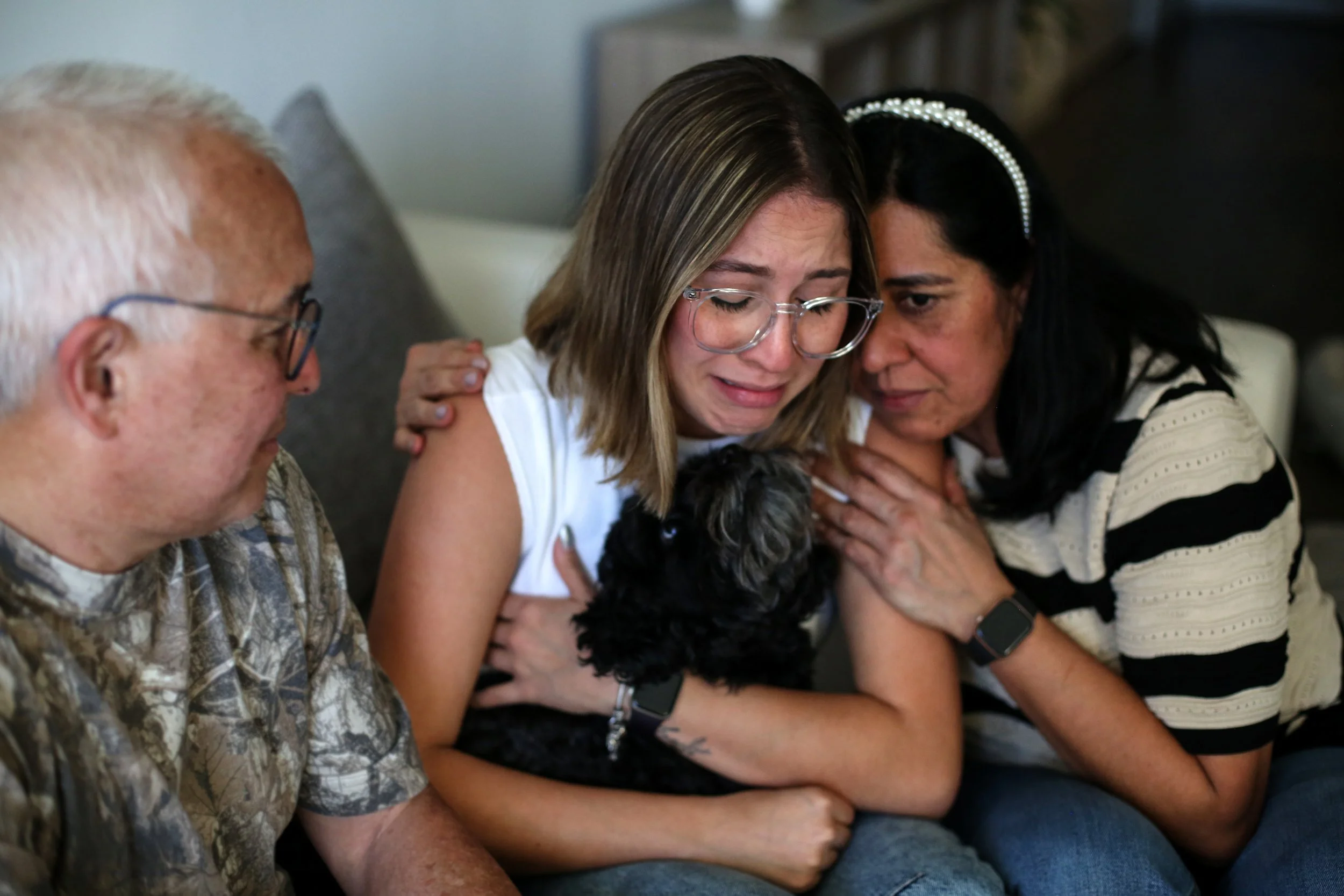
On Feb. 7, 2025, Andrea Gabriela Rangel Walther, 29, cries with her parents, Franklin Rangel and Andreina Walther, at their home in Miami. Rangel Walther and most of her family supported President Donald Trump, believing his immigration policies would target people who had committed crimes. The Trump administration’s decision to end temporary protected status for hundreds of thousands of Venezuelans put her own family at risk of deportation, including her father, whose TPS was set to expire in April of that year.
In 2017, Marcelo Gracia, 45, was living with amyotrophic lateral sclerosis, or ALS, seven years after the disease began transforming his life. Once active and working full time, Gracia could barely move and relied on his son, Gael Guadalupe Gracia Garcia, to feed, bathe and dress him. As Gracia confronted his mortality and wrestled with fears of eternal damnation, he held onto his belief that his son could still find salvation. Gracia died in February 2018.


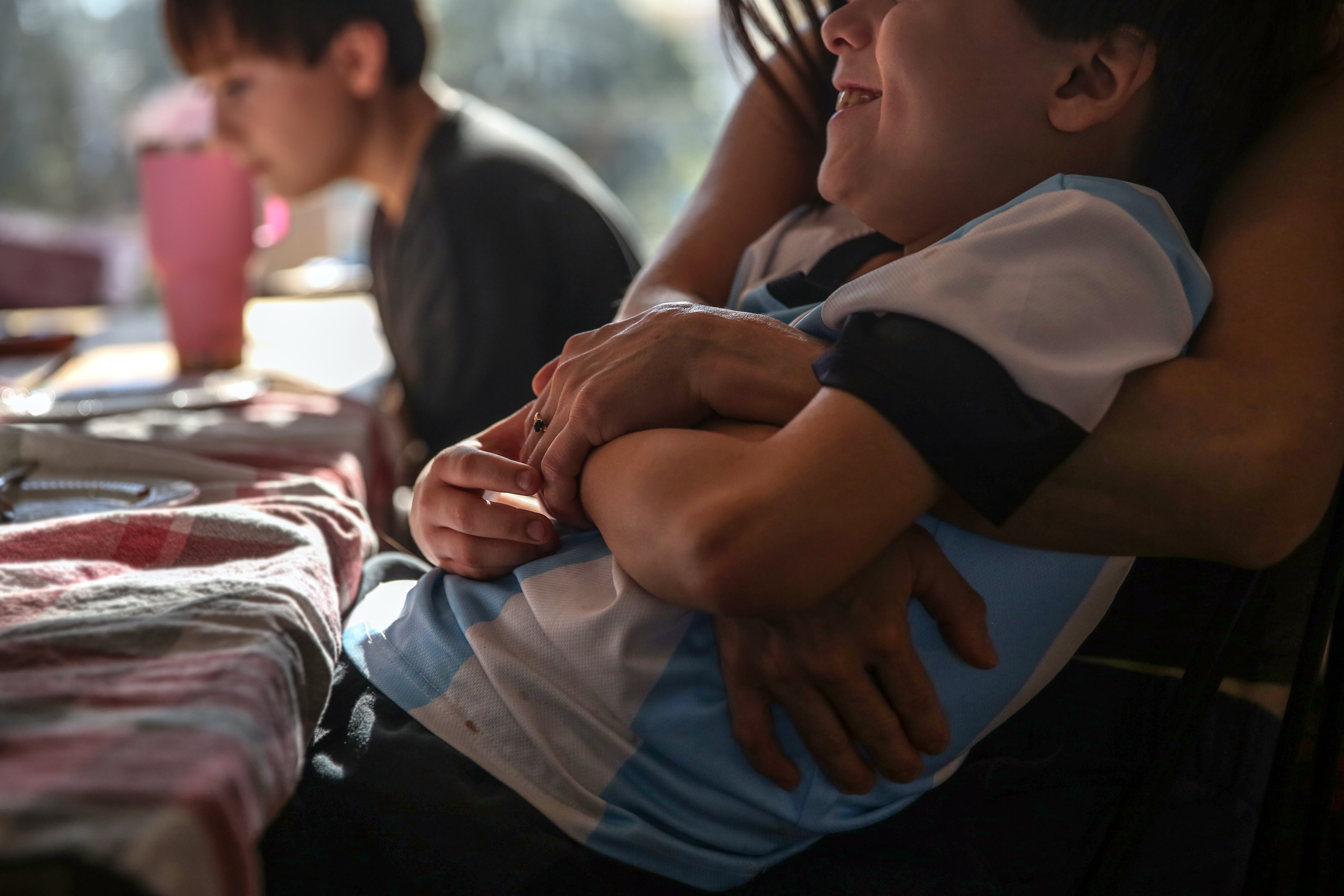
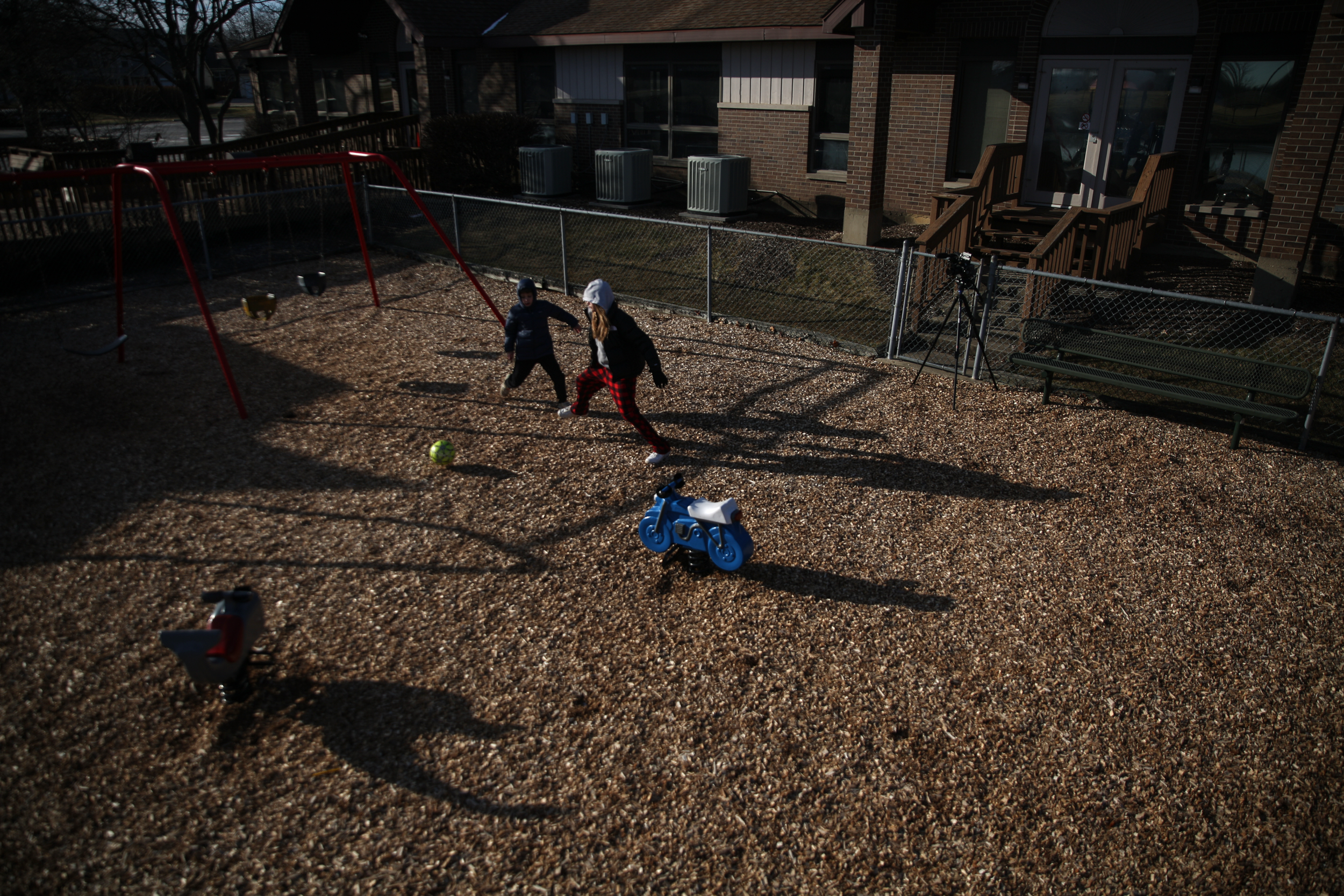
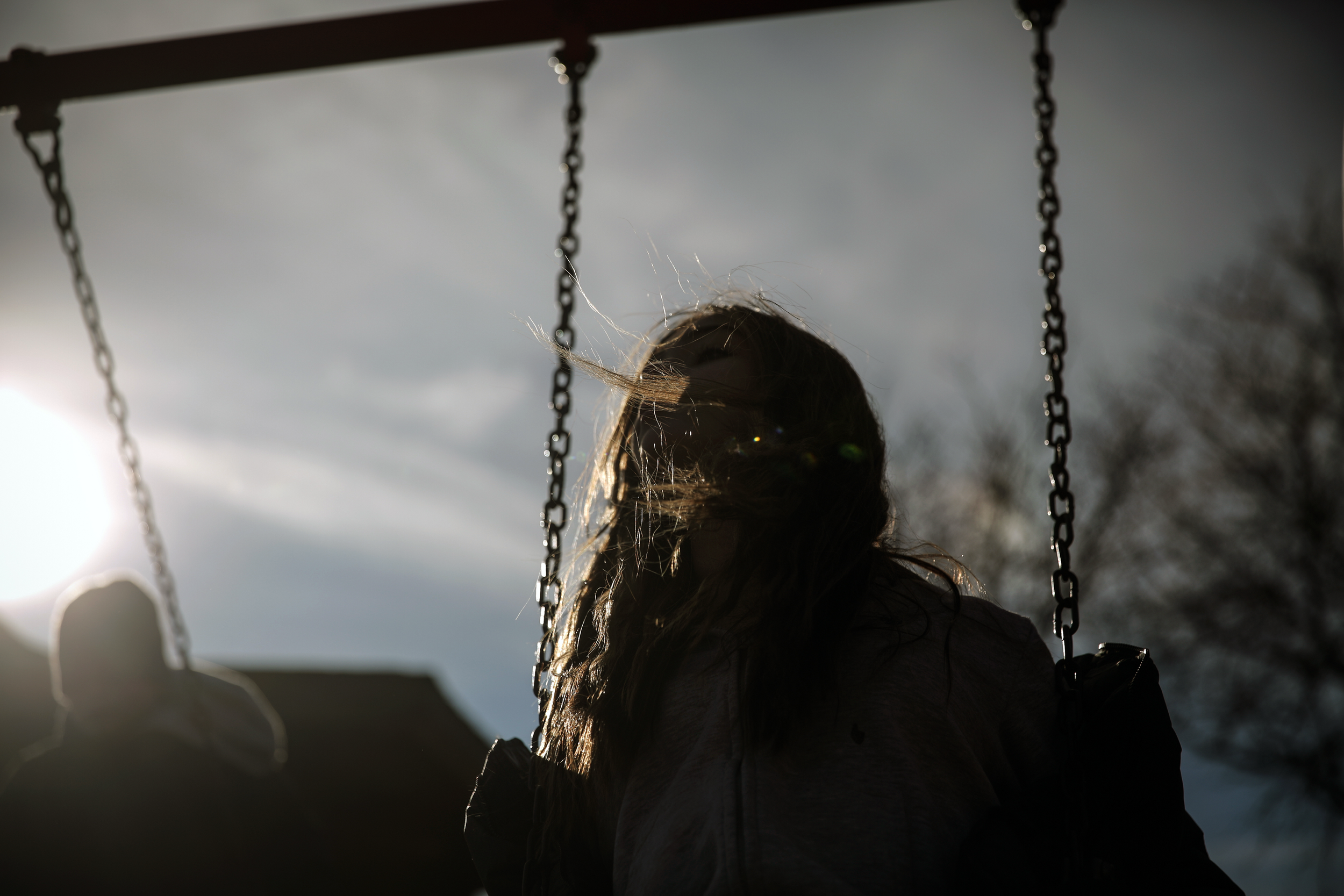
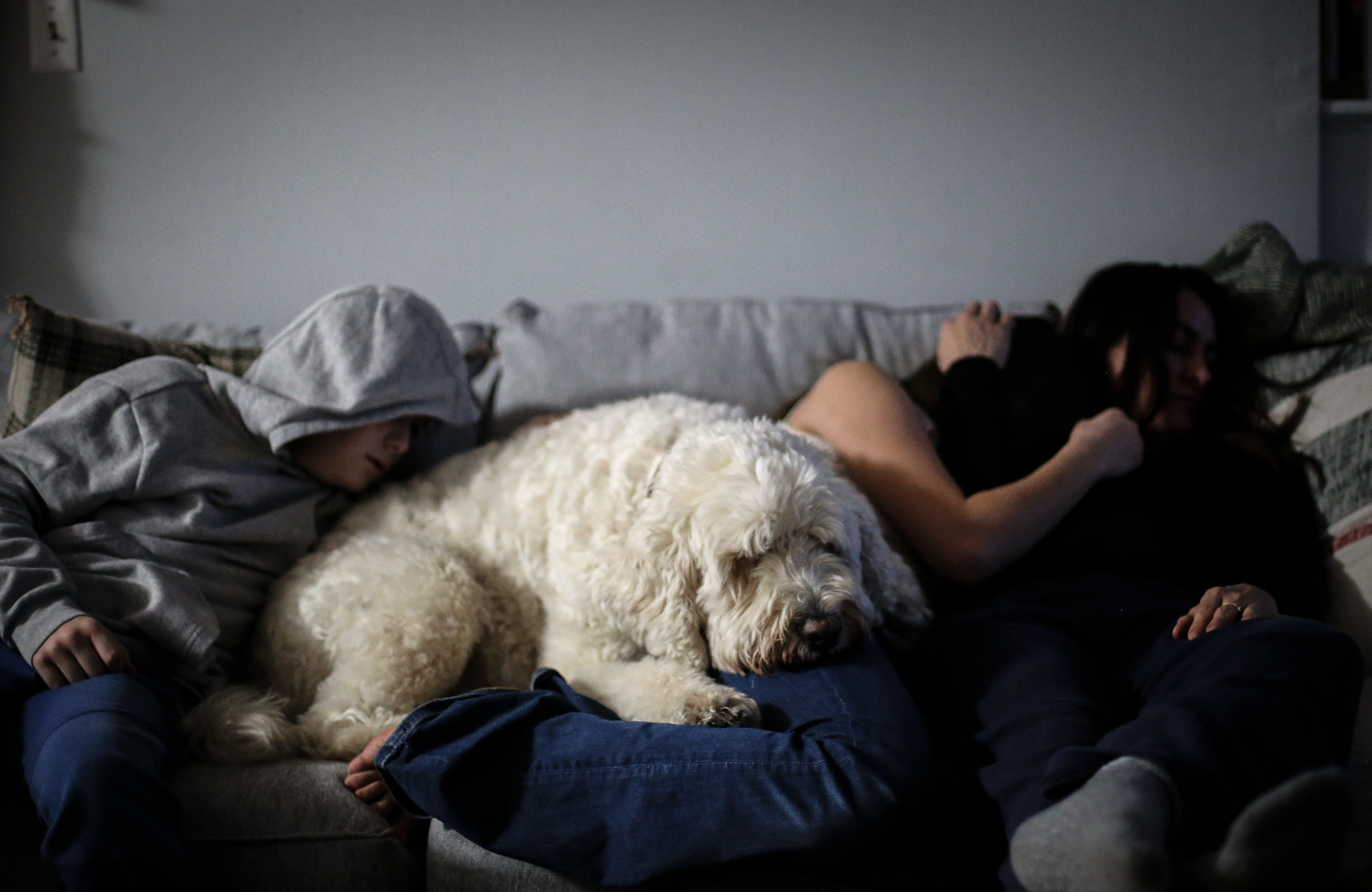
Lizeth is an undocumented mother of four U.S.-citizen children who lives in the Chicago suburbs. Brought to the United States as a child, she has lived here for 38 years and does not consider herself a criminal, despite her undocumented status. In January 2025, as the Trump administration prepared for a highly publicized immigration enforcement operation in Chicago, Lizeth remained hopeful that the new president might offer people like her a path to legal status. Her children were less certain. “Sometimes I do get scared that my mom will be deported,” her youngest son said.
Story here.
-
![]()
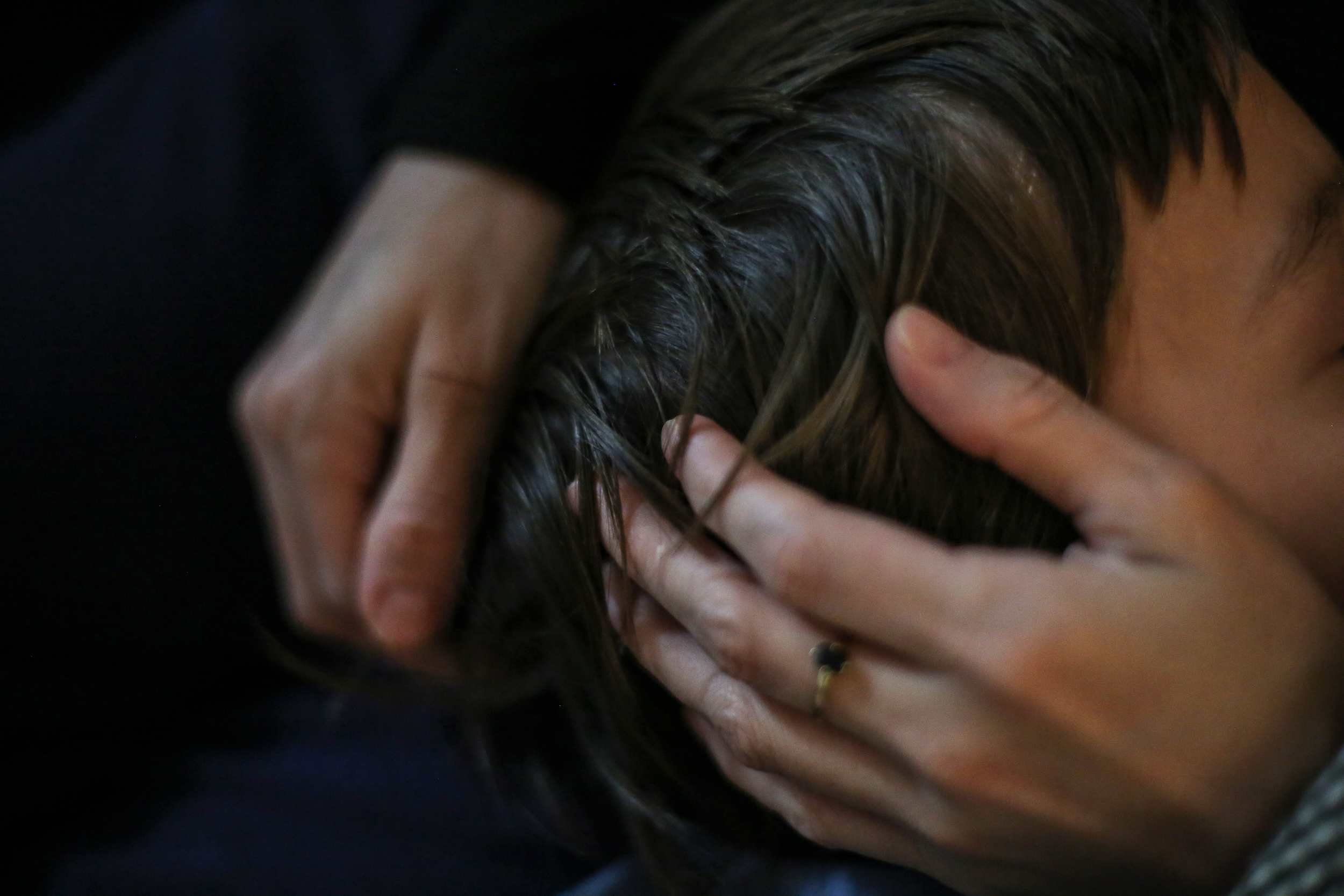
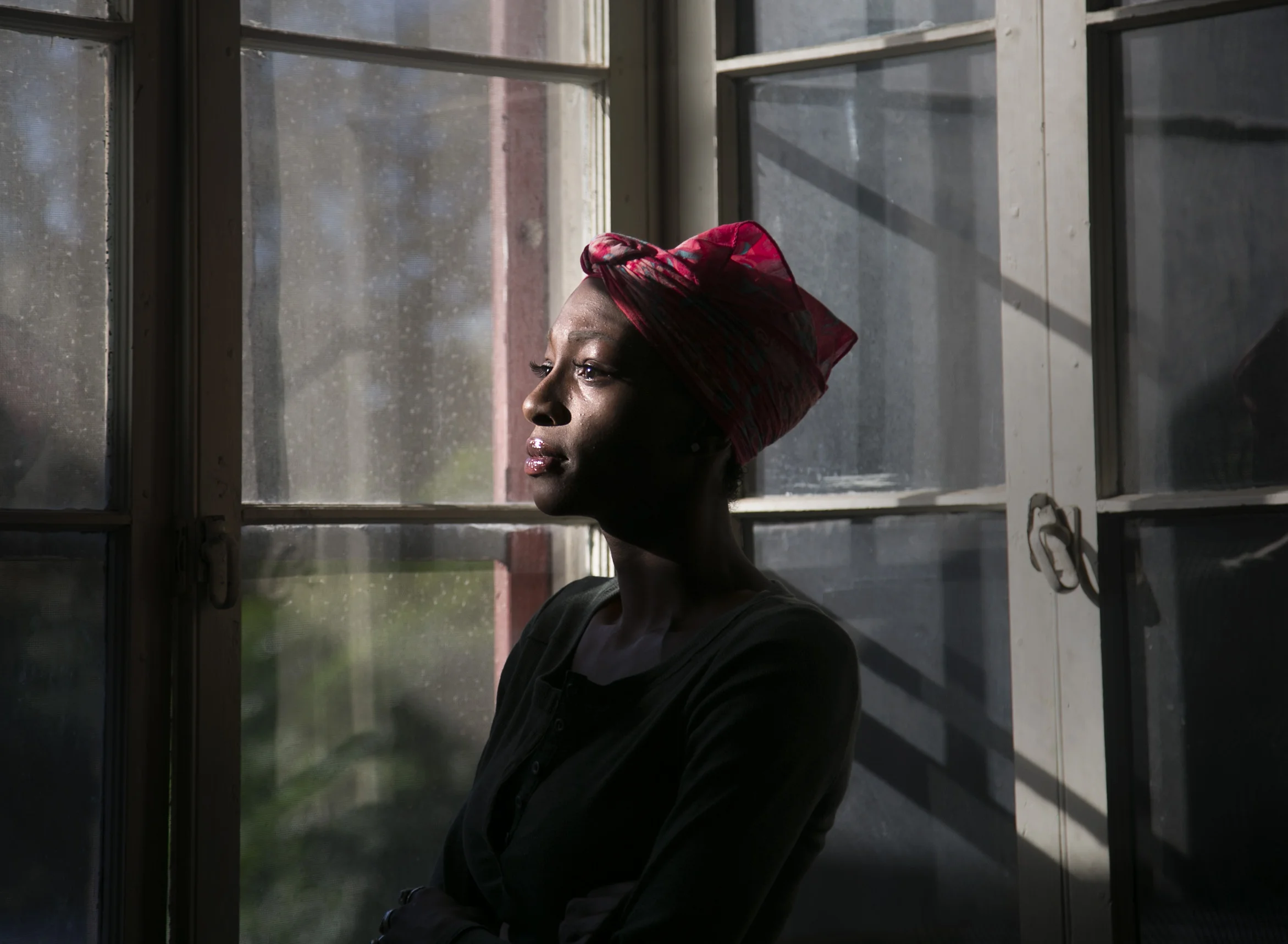
Deloris Elease Fields was diagnosed with stage 4 breast cancer on Dec. 4, 2015, the day after her son, Connor Guenther, was born. In March 2016, Fields developed a life-threatening infection that caused her heart to stop and left her in a coma for more than a week. She fondly remembered holding her son in her arms after she awoke. Fields lived with metastatic breast cancer for more than three years before her death on Aug. 23, 2019.
-
![]()
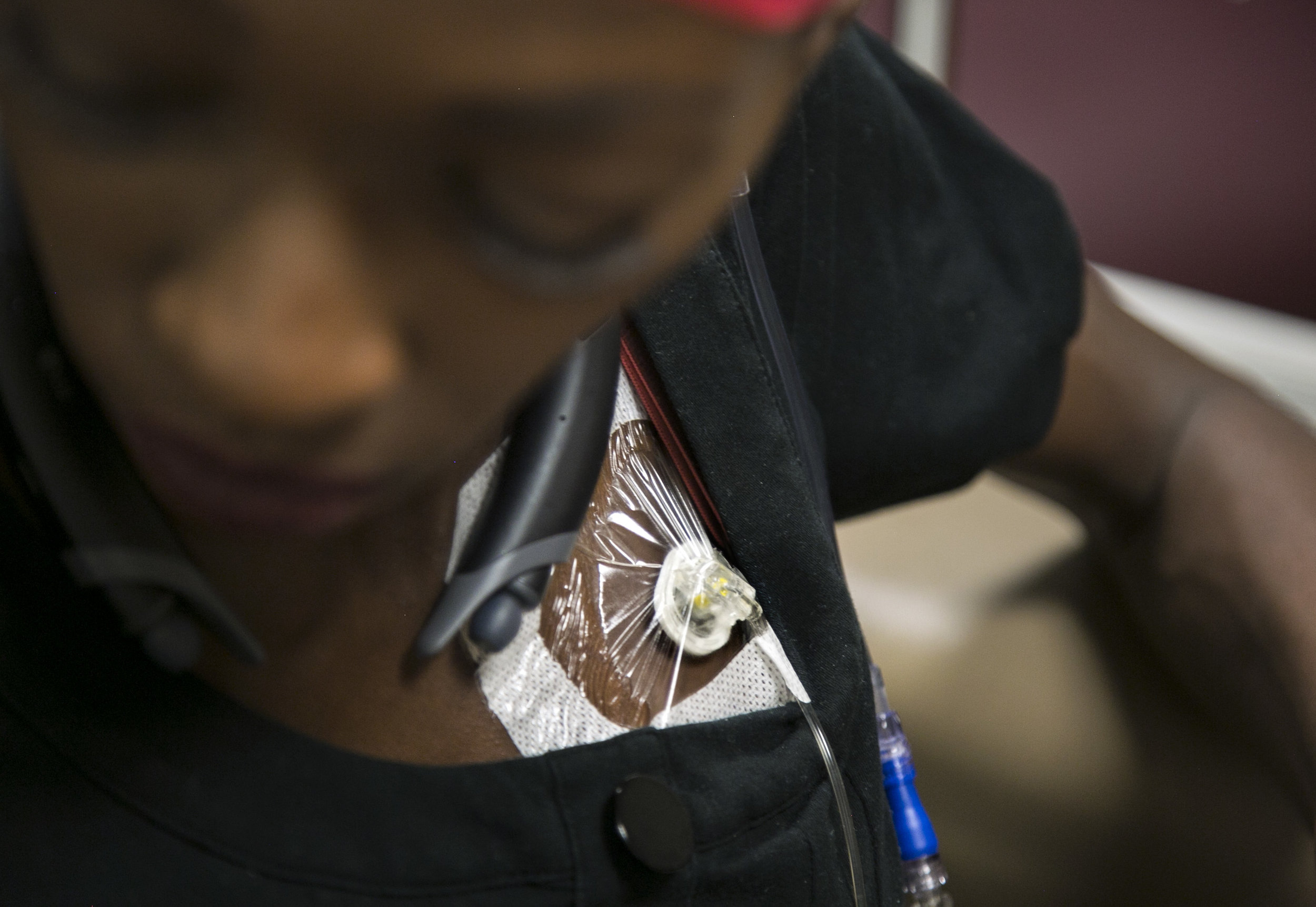
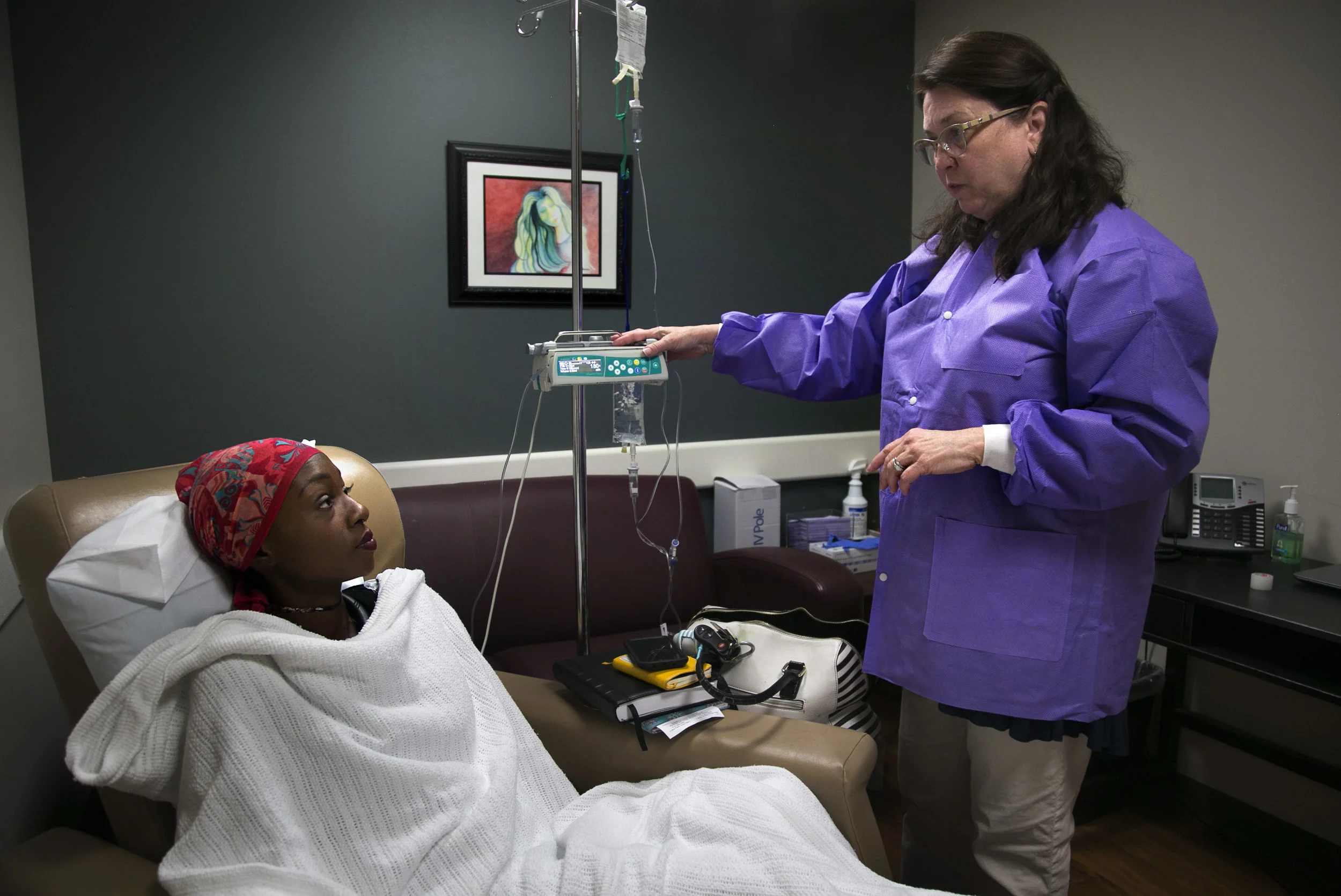
On Oct. 25, 2016, Deloris Elease Fields received chemotherapy at Texas Oncology-Round Rock Seton Williamson. At the time, Fields received Herceptin through a port once a week and took at least five pills a day to treat her cancer.
-
![]()
On Oct. 25, 2016, nurse Lesley Welch administered Herceptin to Deloris Elease Fields at Texas Oncology-Round Rock Seton Williamson.
-
![]()
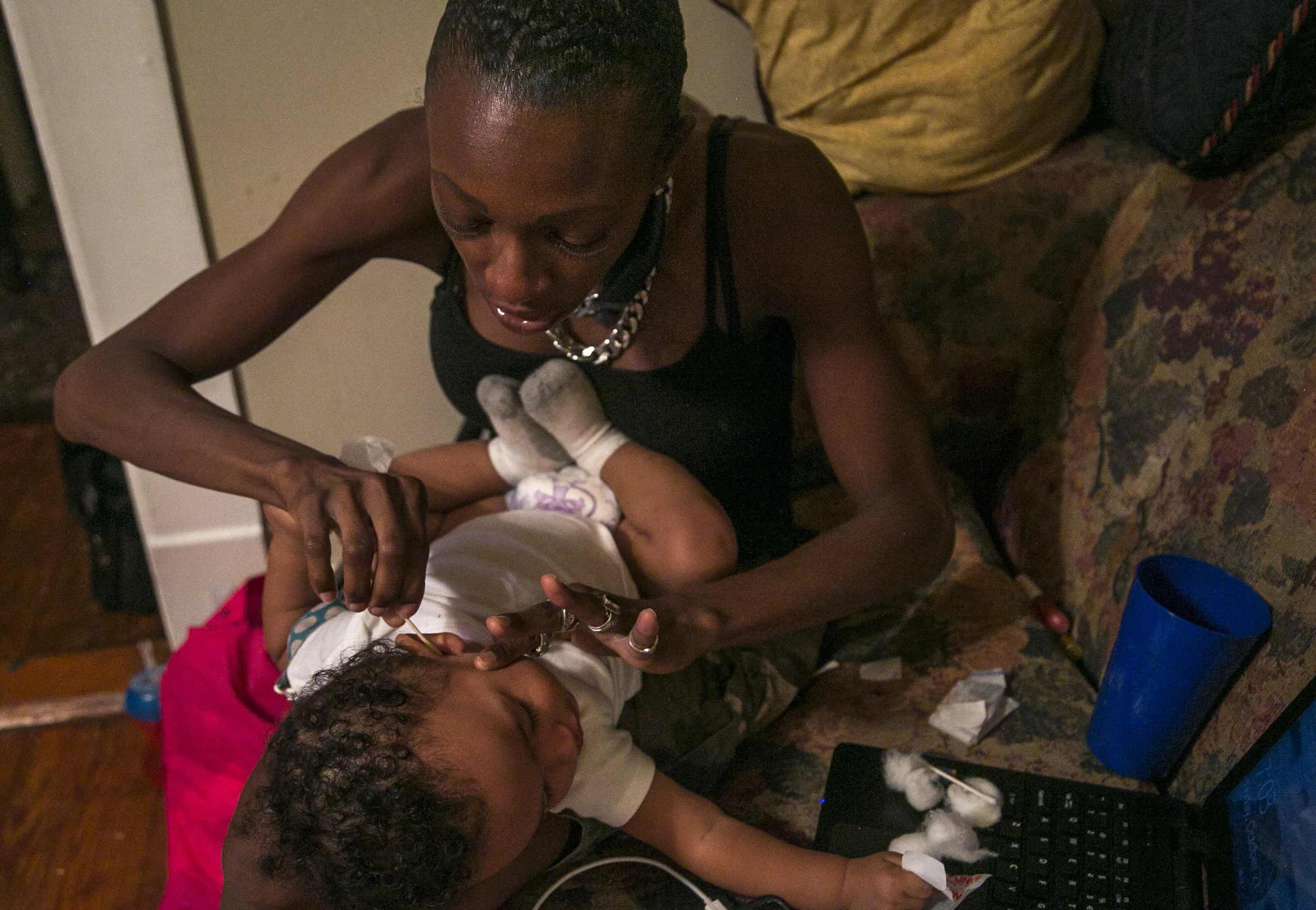
On Oct. 21, 2016, Deloris Elease Fields put medicinal drops in the ears of her son, Connor Guenther, to treat an ear infection.
-
![]()
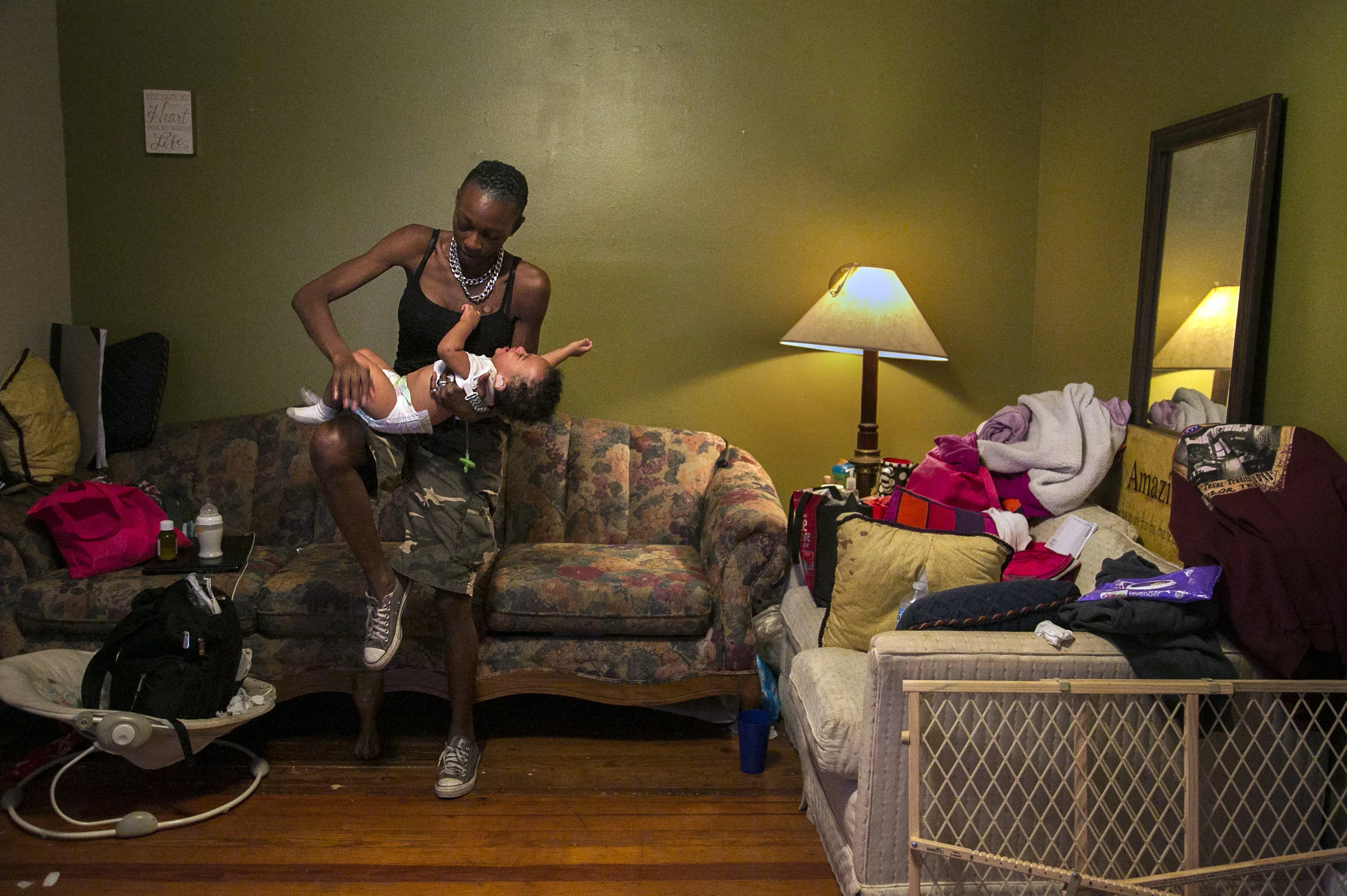
On Oct. 21, 2016, Deloris Elease Fields tried to calm her son, Connor Guenther, after administering drops to treat his ear infection.
-
![]()
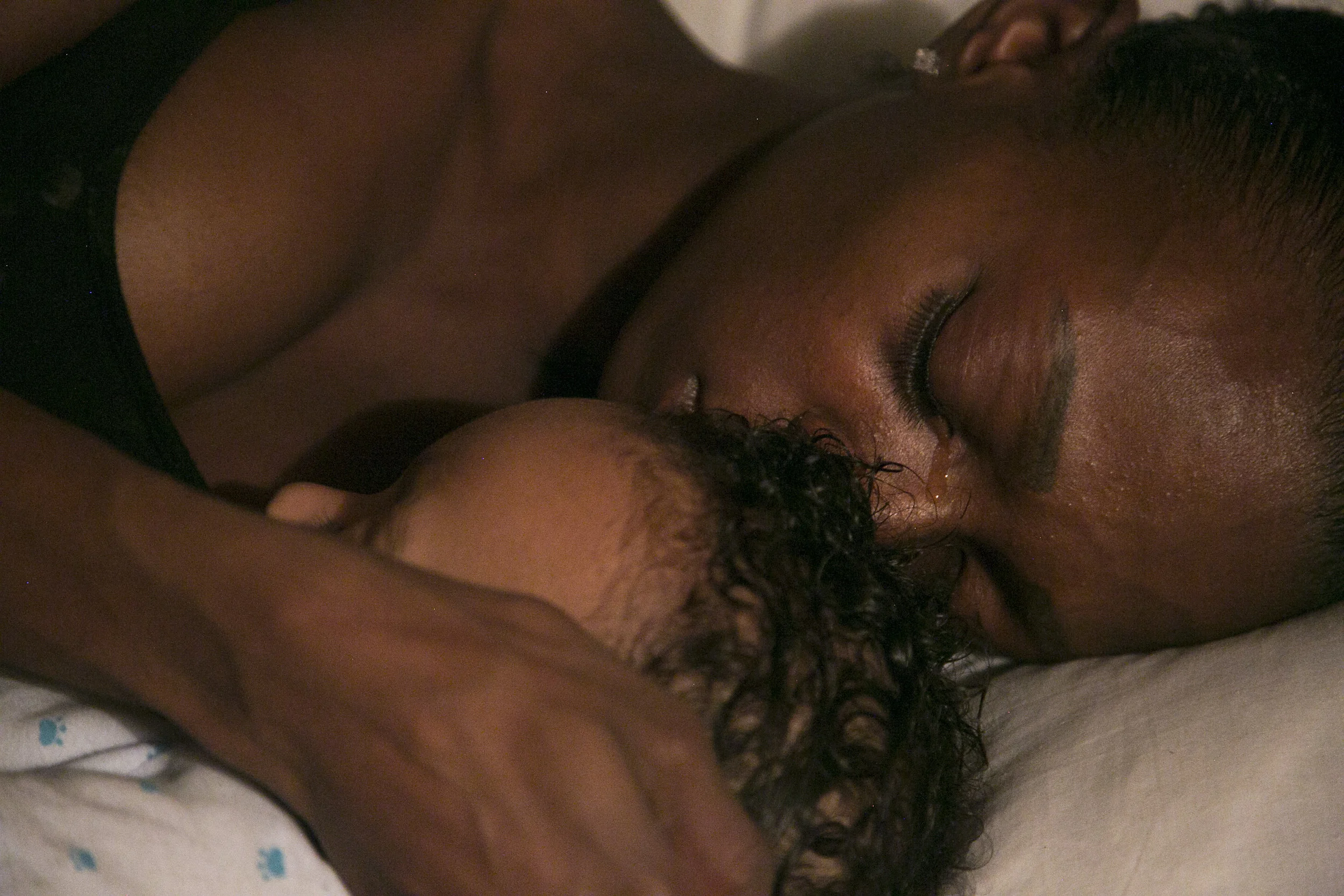
On Oct. 21, 2016, Deloris Elease Fields cried as she sang her son, Connor Guenther, to sleep.
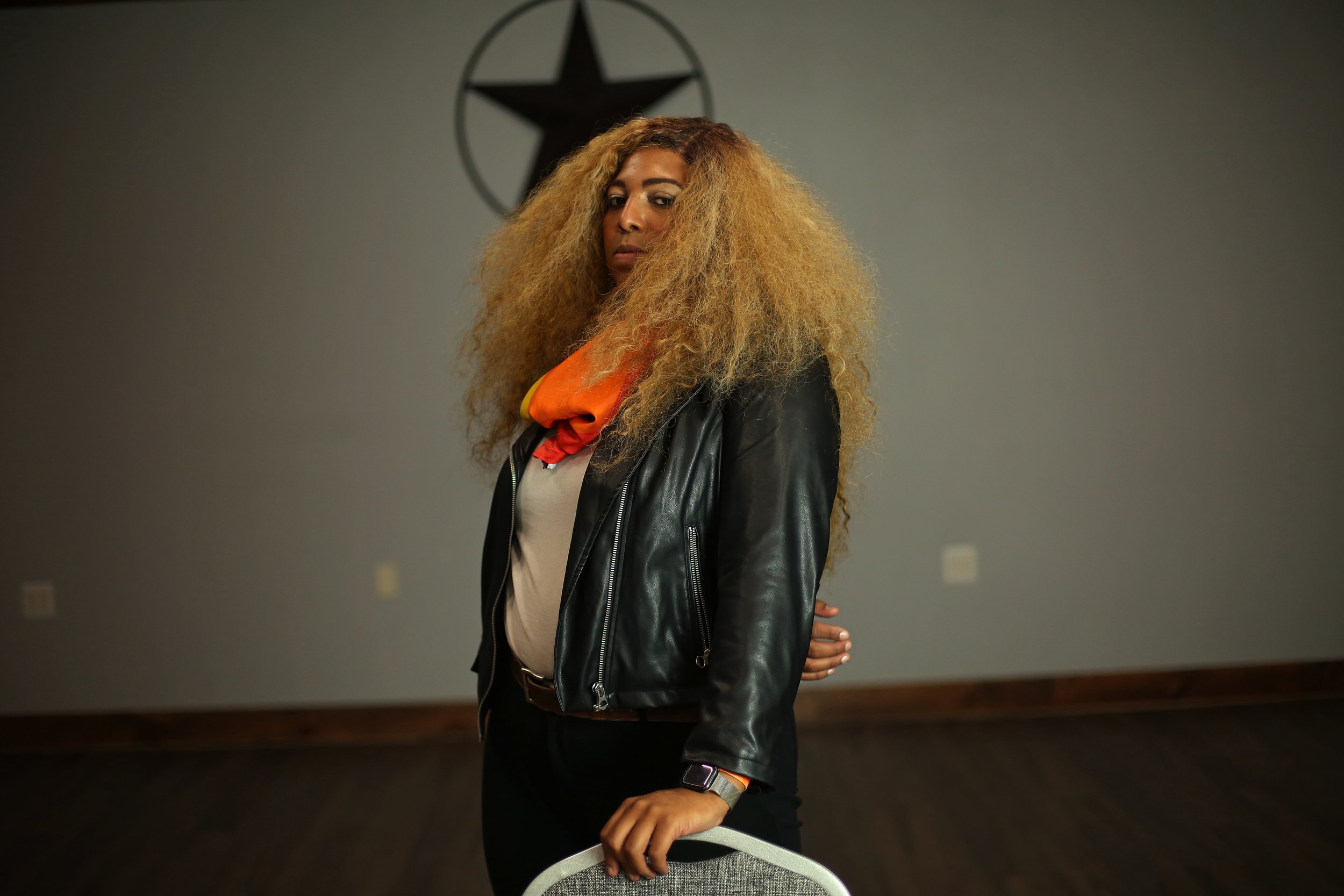
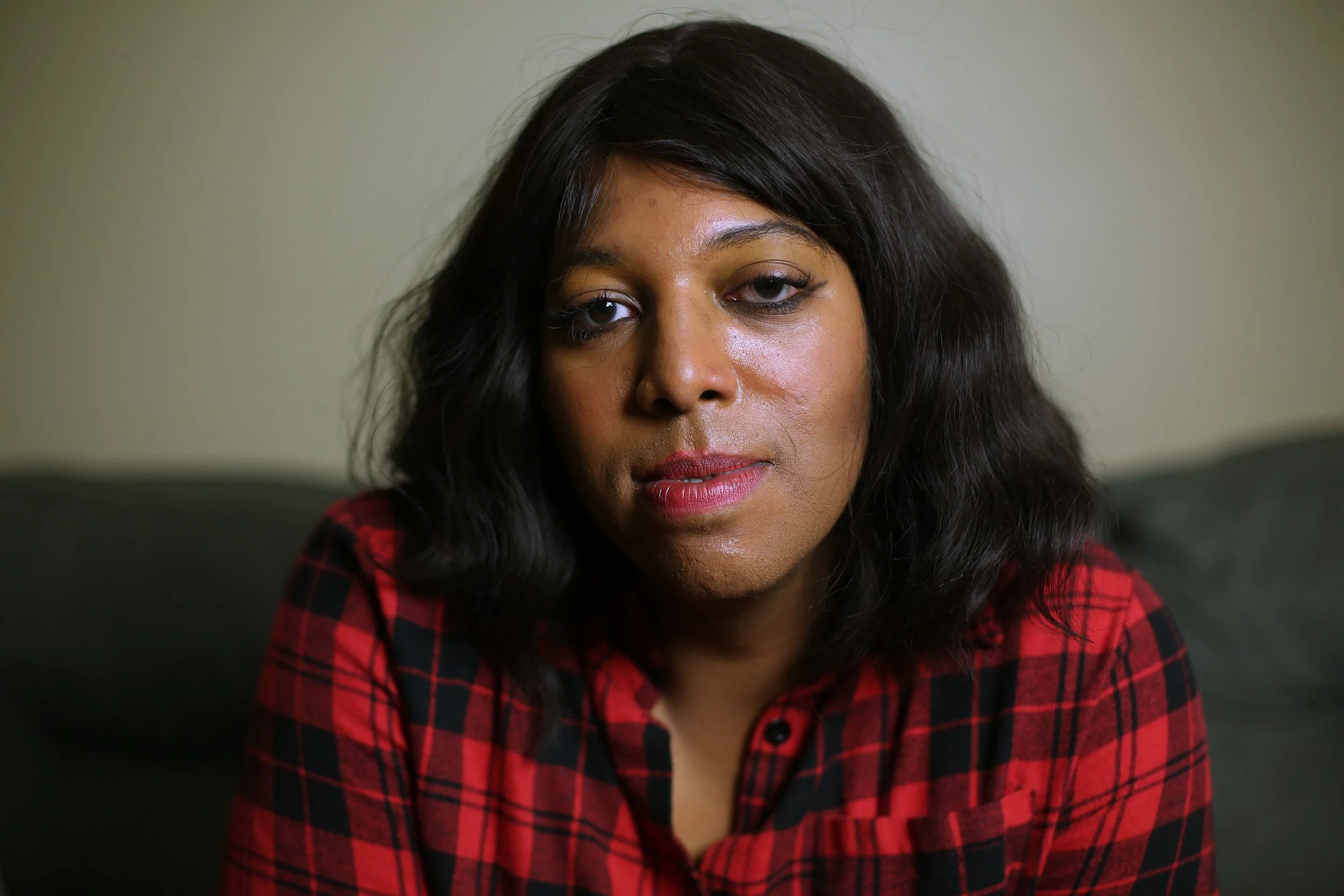
For six weeks, a group of Black and Latino LGBTQ+ Texans met on Tuesday nights at Drag University, a free Houston program where participants learned the art of drag, from performance and styling to public speaking and advocacy. Each developed a distinct drag identity while building a community at a time when Texas lawmakers were considering dozens of bills affecting LGBTQ+ people and the Trump administration was changing federal policies on gender and diversity programs. As the students prepared for their final performance, they wrestled with what it meant to express themselves through drag and how to sustain the community they had built after the program ended.
Story here.
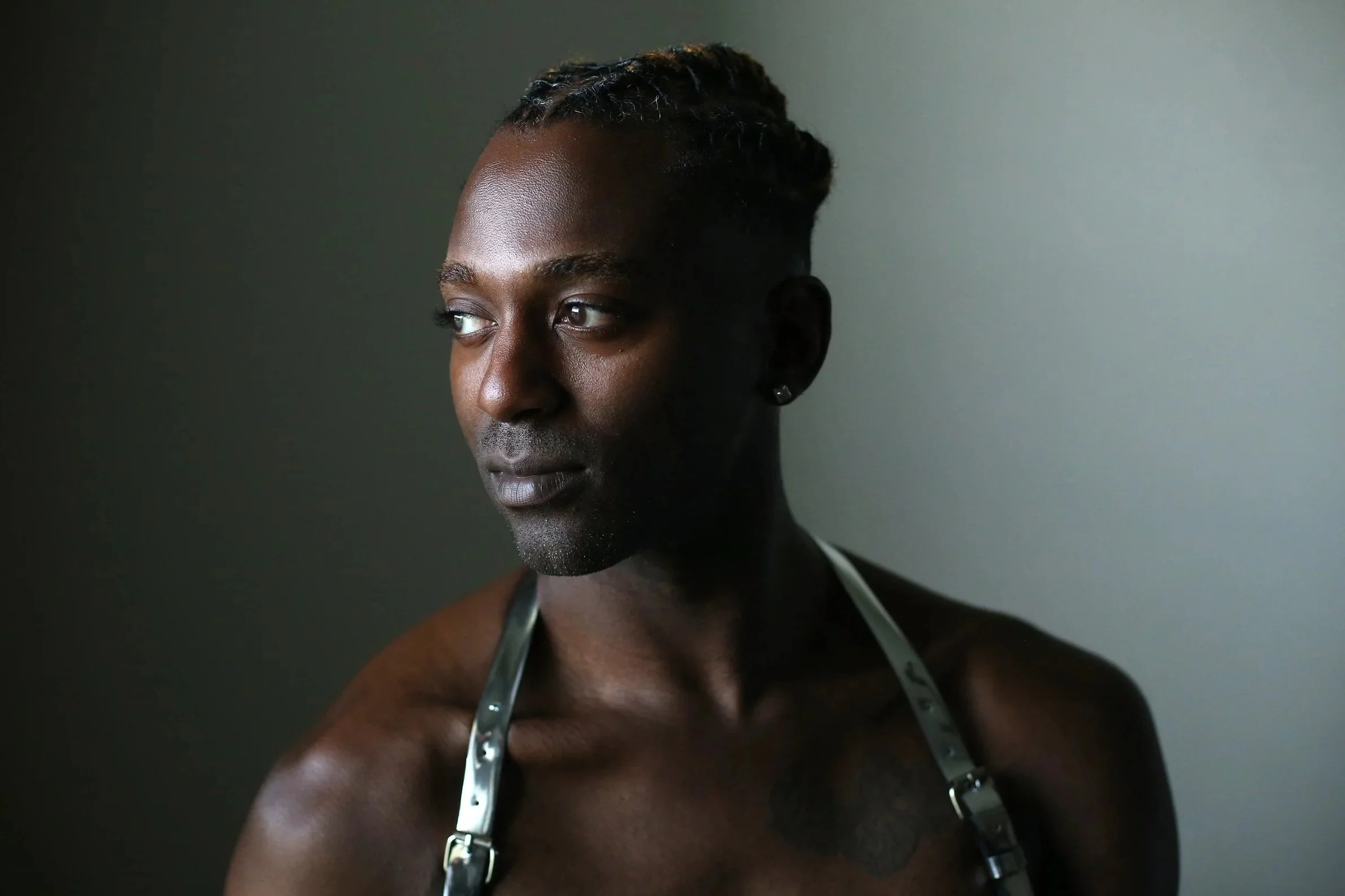
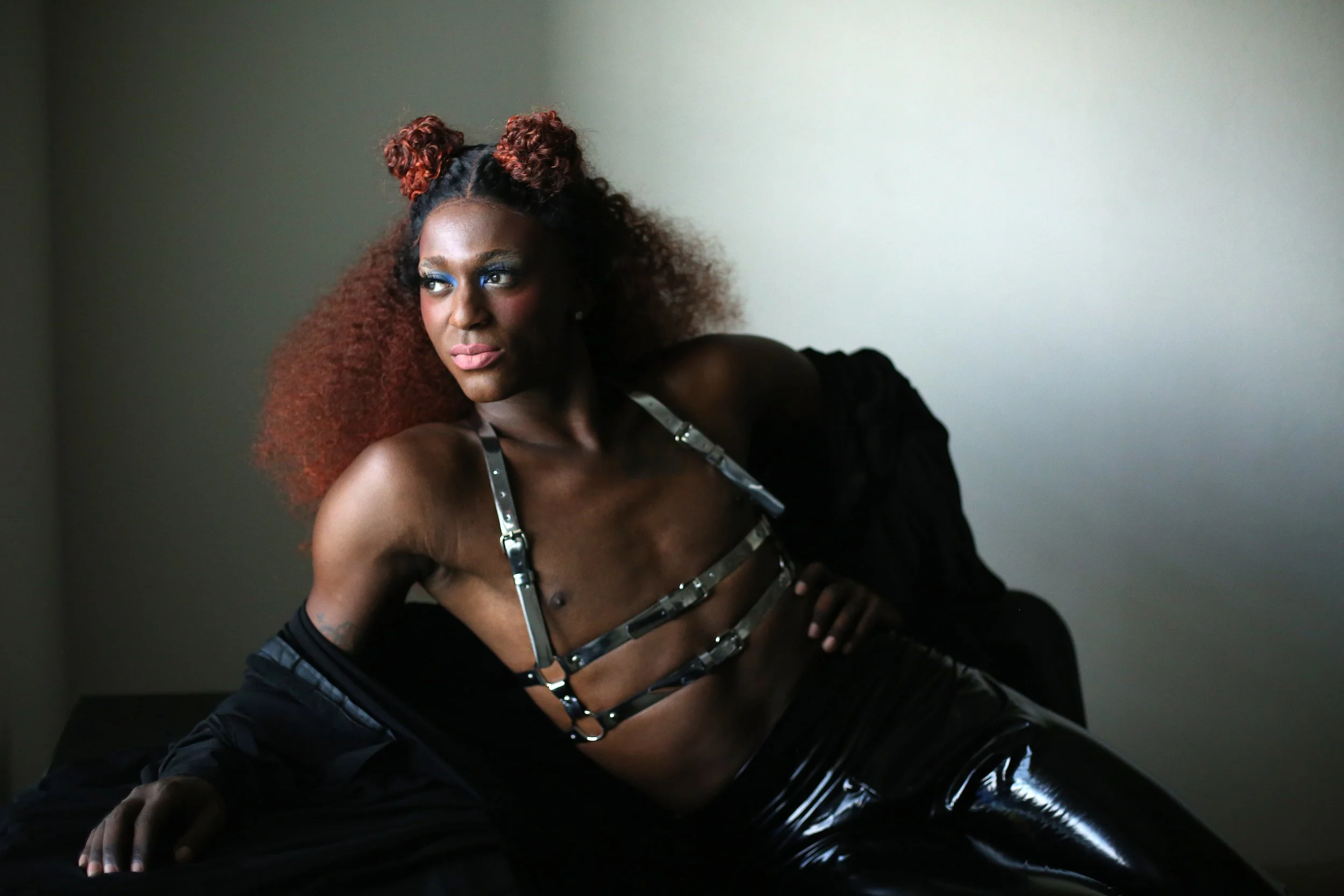
“I’m not a drag king. I’m not a drag queen. I’m a drag thing.”
- Regi Stevenson
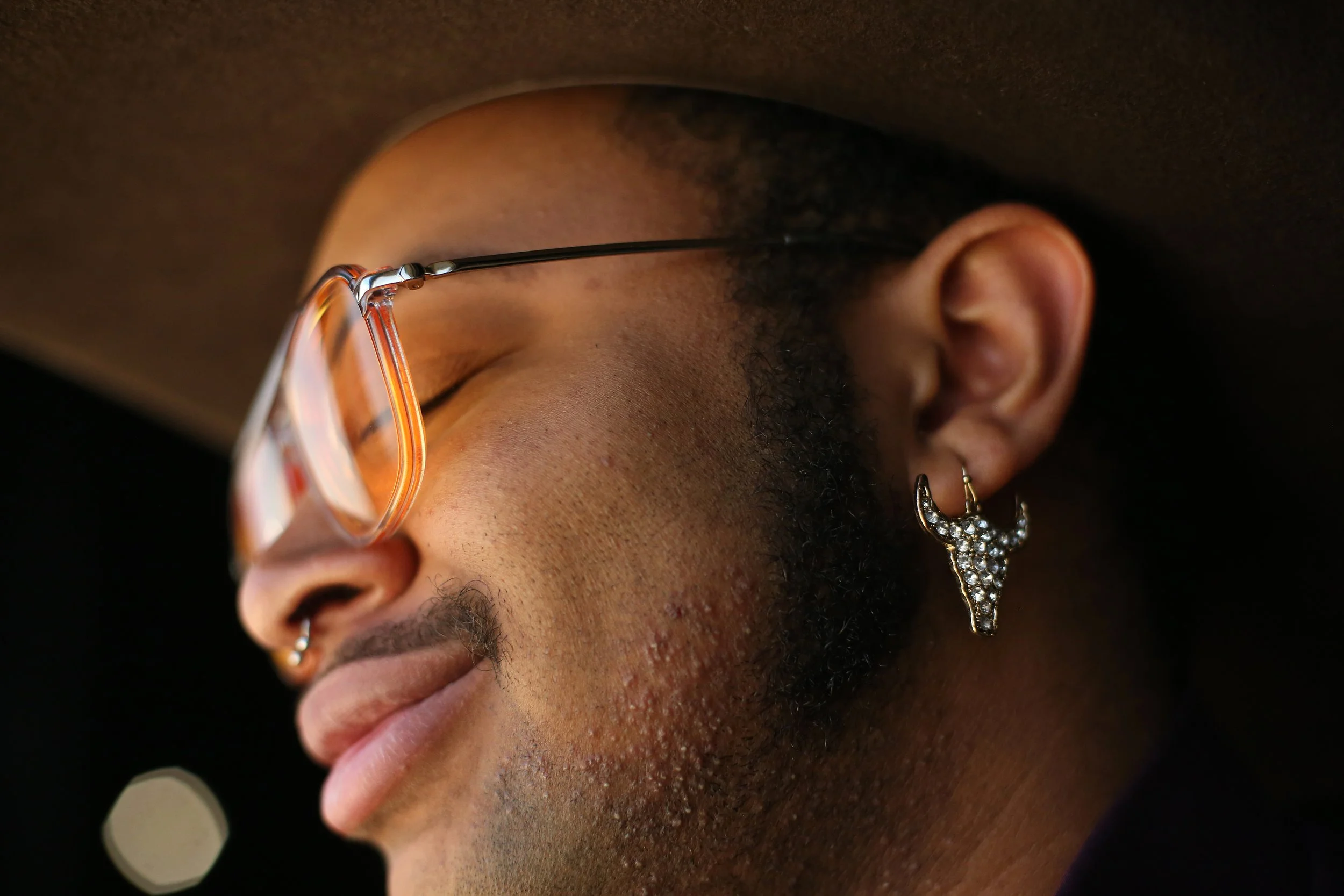
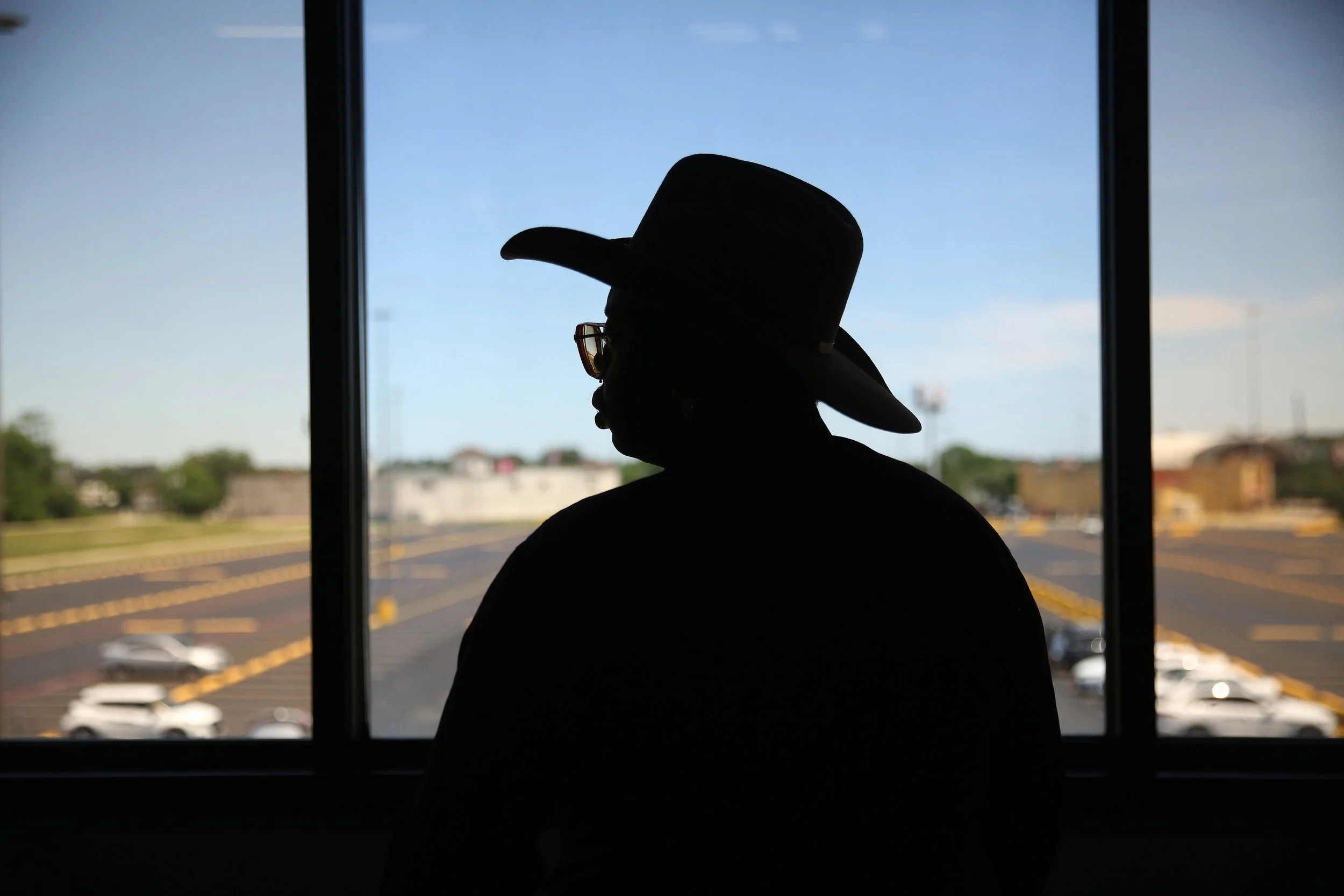
“This is my home. Texas will kill me before I leave. Texas is the people. It’s not just the laws.”
- Sebastian Richmond
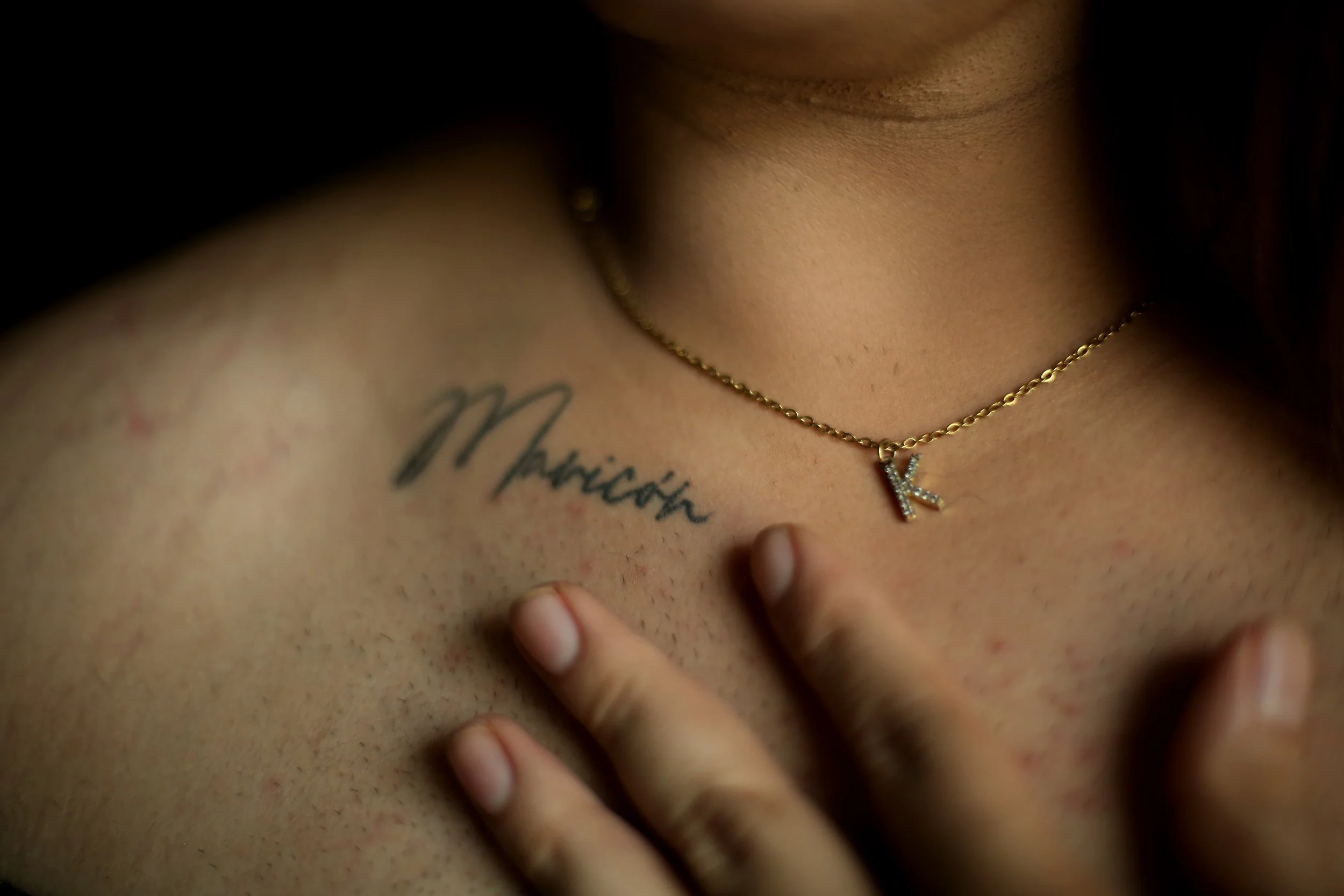
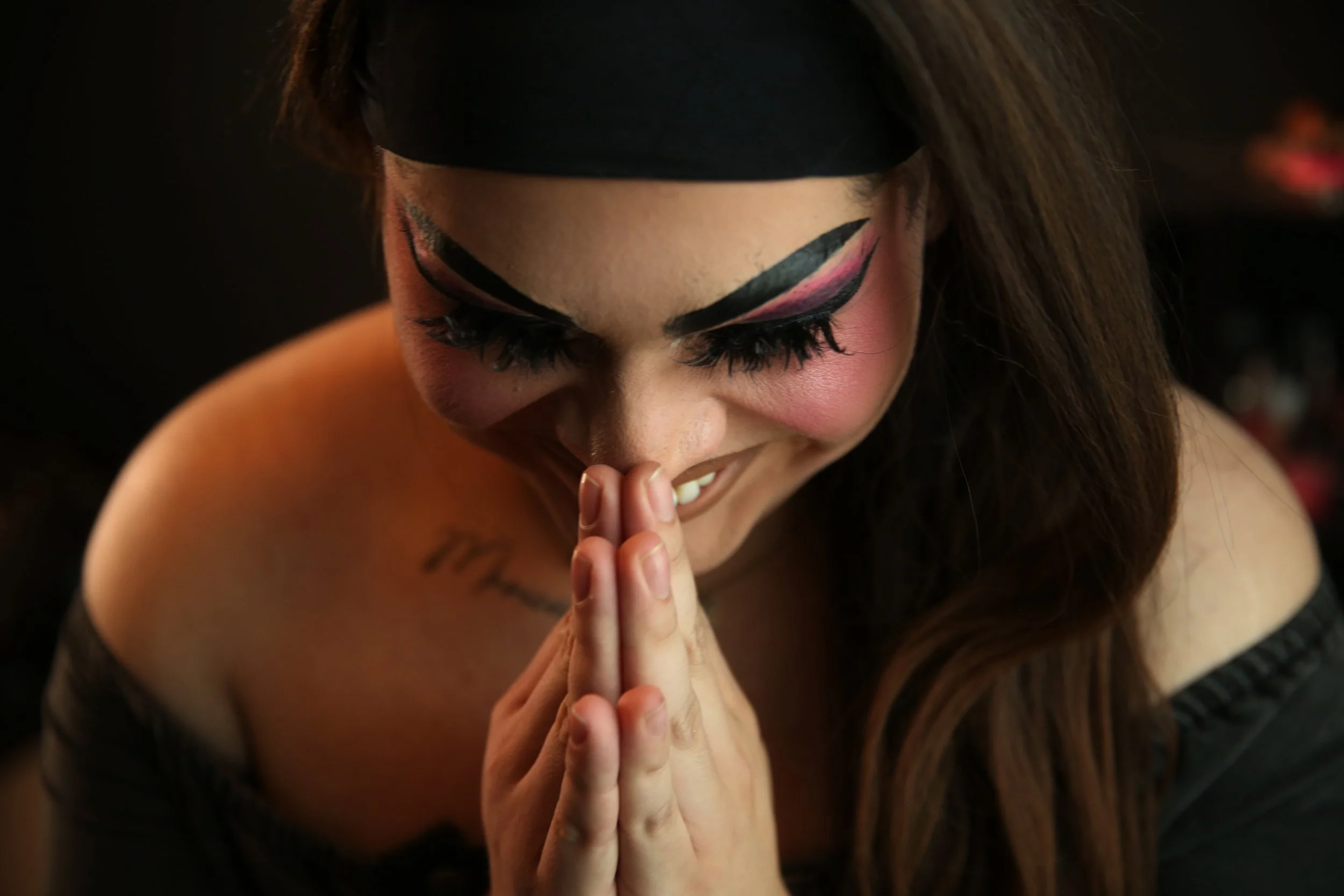
“I’ve always been in love with my femininity. To do it in drag is an empowering way to be unapologetically myself.”
- Kevin Chavez
“I can’t control the future. I can’t make the laws. But at least right now, I am out here with other queer people, we are having fun.”
- Chloe Montgomery

On Saturday, May 24, 2014, Avanly Nietsche, 10, played a game of hatchet throwing at RedFest, held at the Circuit of The Americas in Austin, TX. In it's first year, the festival celebrated "a southern attitude" and included live music, comedy, and outdoor activities.

On March 24, 2017, a mariachi from Mexico performed at the the 2017 Abrazo Ceremony, located at the mid-point of the City of Eagle Pass International Bridge No. 1. The theme of the ceremony was dedicated to building bridges between the United-States and Mexico. City officials on both sides said that this flies in the face of President Donald Trump's pro-wall agenda.

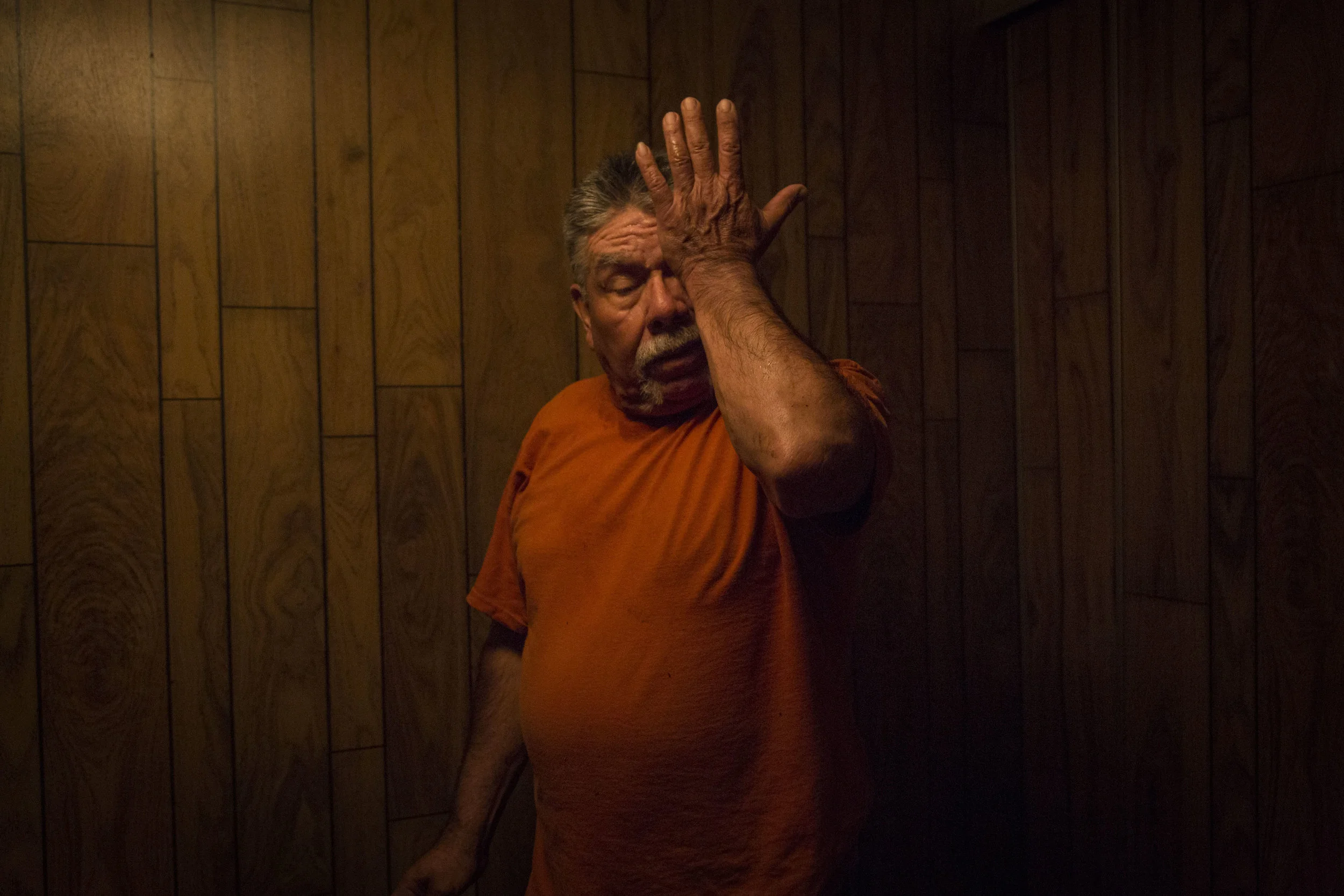
On Aug. 30, 2017, Francisco Oregon visited his trailer home which was destroyed by Tropical Storm Harvey in La Grange, TX. "I lost everything," said Oregon, who is not insured. It is estimated that an estimated 500 households in the town with around 4,700 inhabitants was damaged by the flooding.
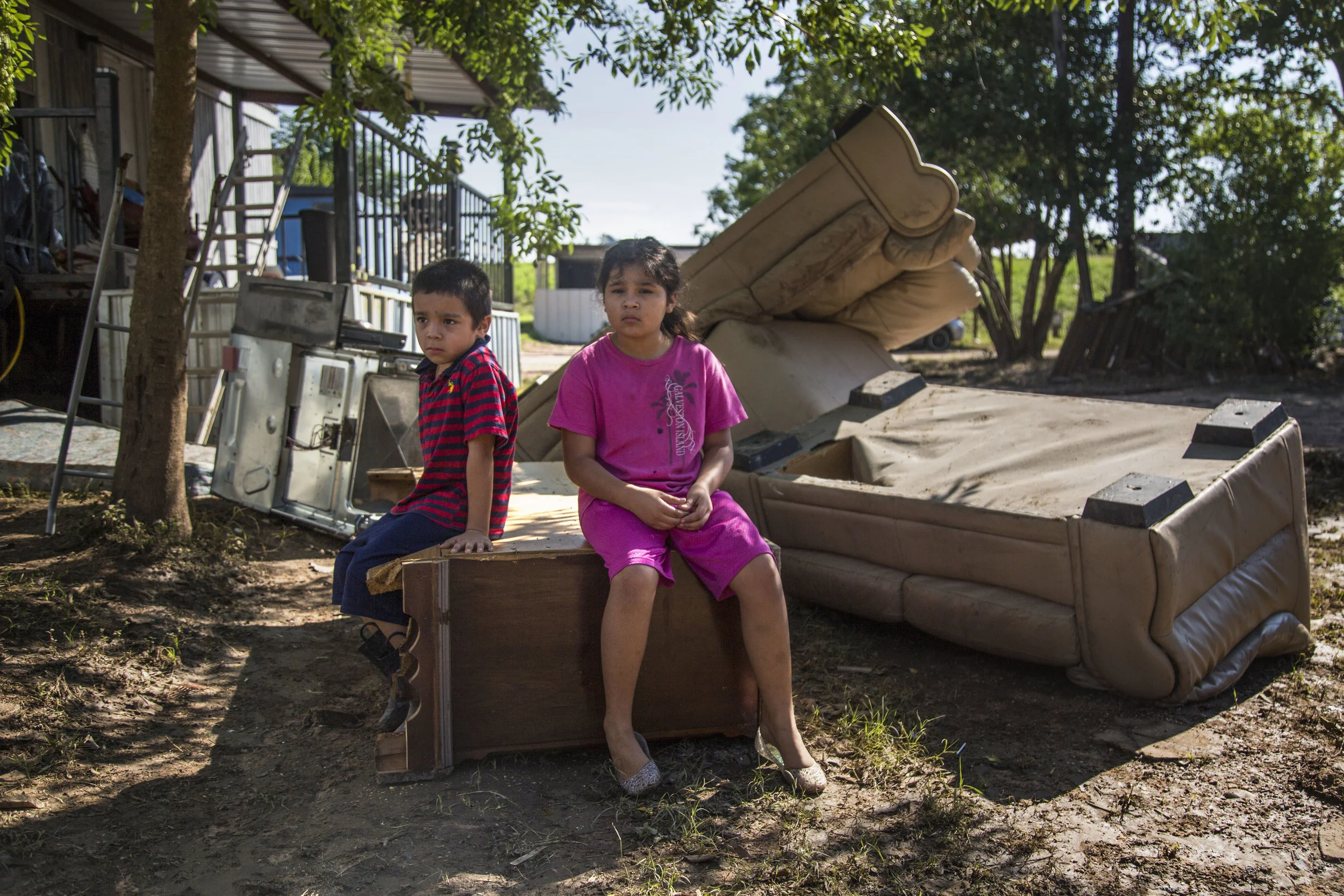
On Aug. 30, 2017, Jose Rauda, 6, and his sister, Daniella Rauda, 8 sat on one of the sofas in the sun quietly observing the damage wreaked by Tropical Storm Harvey in their hometown, La Grange, TX. The children live in a trailer with their parents, Jose Mendez and Bilma Rauda. "I think I can fix it," said Mendez about his damaged trailer.

Juneteenth, also known as Juneteenth Independence Day or Freedom Day is a holiday in the United States that commemorates the announcement of the abolition of slavery in the U.S. state of Texas in June 1865, and more generally the emancipation of African-American slaves throughout the Confederate South. On Saturday, June 20, 2015, people packed Chicon Street in Austin, TX to celebrate this holiday.

On Oct. 15, 2017, Jill Bradshaw looked through one of several boxes of paperwork pertaining to her four-year-old daughter's rare disorder, CHARGE syndrome. Elise Bradshaw is both deaf and blind. Her speech therapy sessions were scaled back after state cuts to Medicaid. Jill Bradshaw appealed her provider's decision at a Fair Hearing. "The thought of a hearing when they have lawyers on their side representing a big large insurance company versus an individual family who has a need is pretty scary," said Bradshaw.